


Every year, HPV causes about 36,000 cancers in the United States. More than 90 percent of them, close to 33,700 cases, could be stopped by a vaccine that has protected children since 2006. The distance between what the vaccine prevents and what still happens is widest in the Southeast. Georgia sits inside that distance, and a 14-member regional effort is working to close it.
HPV, the human papillomavirus, is common. The CDC estimates that about 85 percent of people will get an HPV infection at some point in their lives. Most infections clear on their own. Some do not, and those can turn into cancer years or even decades later. The vaccine works against six of them: cervical, oropharyngeal (the back of the throat), anal, vaginal, vulvar, and penile cancer.
A regional problem with a Georgia address
The southeastern United States has carried the country's lowest HPV vaccination rates and its highest rates of HPV cancers for years, with cervical and throat cancers leading the count. St. Jude Children's Research Hospital, which convenes the regional effort, points to that pattern as the reason the work exists. Georgia's numbers track it closely. The state's all-HPV cancer rate runs at 13.2 cases per 100,000 people, above the national 12.2. Cervical cancer runs 7.7 against the national 7.0. Oropharyngeal cancer runs 5.9 against 5.3. Georgia ranks among the 15 states with the highest cervical cancer incidence, according to the 2025 Georgia HPV data profile.
What the gap means for Latino families
For Latino families, the stakes run higher. Latinas have the highest rate of cervical cancer of any group in the United States, roughly 44 percent above non-Hispanic white women, according to the American Cancer Society. Hispanic adults between 19 and 26 are the least likely of any group to have had even one dose of the vaccine. Cost, language, worries tied to immigration, and time away from work all sit between a family and the shot. The cancer on the other side is preventable. The problem is reach, not the science.
How protection starts
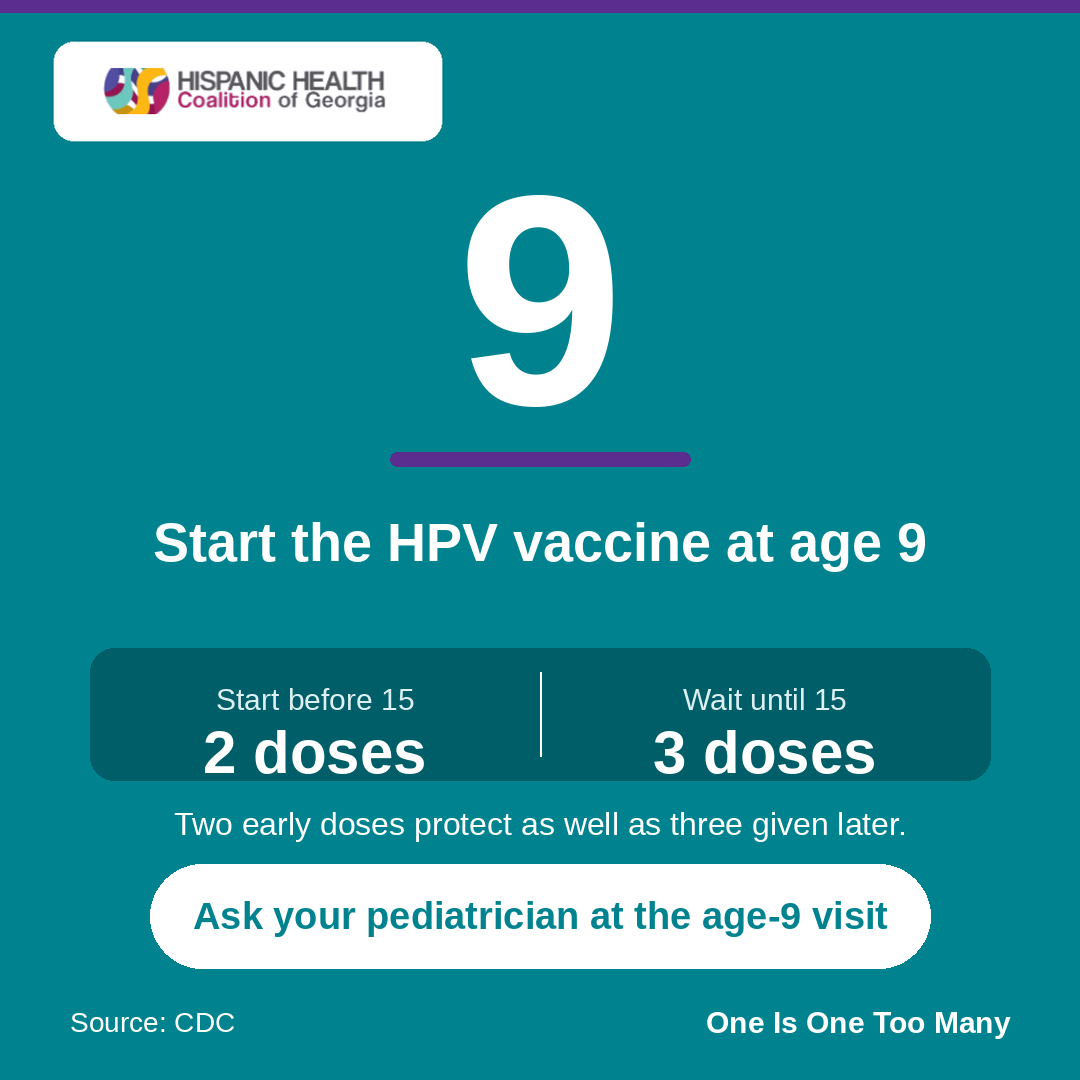
The CDC recommends the HPV vaccine as a routine shot at age 11 or 12, and it can start as early as age 9. A child who starts before the 15th birthday needs two doses, six to twelve months apart. Someone who starts at 15 or older needs three. Starting at 9 spreads the doses across visits a family is already making and finishes the series well before any exposure. That timing is the reasoning behind one of the region's three goals.
Georgia is closing the distance
The trend in Georgia points the right way. Since 2016, the share of Georgia teens who have started the HPV series has risen 7 percent, and the share who are up to date has risen 20 percent, per the 2025 state profile. Georgia's up-to-date rate now sits a little above the national average. It still falls short of the Healthy People 2030 target of 80 percent.
One comparison shows where the work is. Among Georgia teens 13 to 17 in 2024, meningococcal vaccination reached 98 percent and Tdap reached 97 percent. HPV trailed both. It is the only one of the three that prevents cancer. Most of those teens were in the room when the other shots were given.
Three goals, one regional effort
Georgia is one of 14 members of the HPV Vaccination Roundtable of the Southeast, 12 states plus Washington, DC, and Puerto Rico, convened by St. Jude. The group organizes its work around three goals. The first is clearer communication, carried by the regional campaign It's Our Way Down South. The second is the elimination of HPV cancers, starting with cervical cancer. The third is starting HPV vaccination at age 9.
The Hispanic Health Coalition of Georgia works with St. Jude on HPV prevention, and Bella Borghi has taken part in the Roundtable's rural HPV work. What matters for a Georgia family is the substance behind those goals: a clear schedule, trusted information in Spanish and English, and a way to reach the vaccine that does not depend on income or ZIP code.
What this series will cover
The months ahead break the three goals into plain answers. Why age 9 is the right time to start, and how the two-dose schedule works. How a brief, direct recommendation from a clinician changes whether a child gets protected at all. What cervical cancer elimination means in practice, and why November 17 now marks it on the world calendar. Where a young adult who missed the vaccine can still catch up through age 26, and where a rural or uninsured family in Georgia can get it at no cost.
The vaccine has been preventing cancer for almost 20 years. The next step is making sure every family in Georgia can reach it.
FAQs
How many cancers does HPV cause, and can the vaccine prevent them?
HPV causes about 36,000 cancers a year in the United States. The CDC reports that vaccination could prevent more than 90 percent of them, close to 33,700 cases, across six cancer types.
Why does the Southeast have higher HPV cancer rates?
The region has carried the lowest HPV vaccination coverage and the highest HPV cancer rates in the country for years, led by cervical and throat cancers. That pattern is why St. Jude convenes a 14-member regional effort.
At what age should HPV vaccination start?
The CDC recommends it routinely at 11 or 12, and it can start as early as 9. Children who start before age 15 need two doses. People who start at 15 through 26 need three.
Partner list
St. Jude Children's Research Hospital; HPV Vaccination Roundtable of the Southeast; Hispanic Health Coalition of Georgia.
Sources
© 2026 Hispanic Health Coalition of Georgia. All rights reserved.
This article, including its text, translations, graphics, and any accompanying materials, is the intellectual property of the Hispanic Health Coalition of Georgia. Please contact HHCGA before reproducing, distributing, republishing, translating, adapting, rewriting, or creating derivative works from this material, in whole or in part, by any means. We share our work readily and grant permission often. We ask only that you reach out first, so that credit stays accurate and the health information reaches people unchanged. Requests: info@hhcga.org.
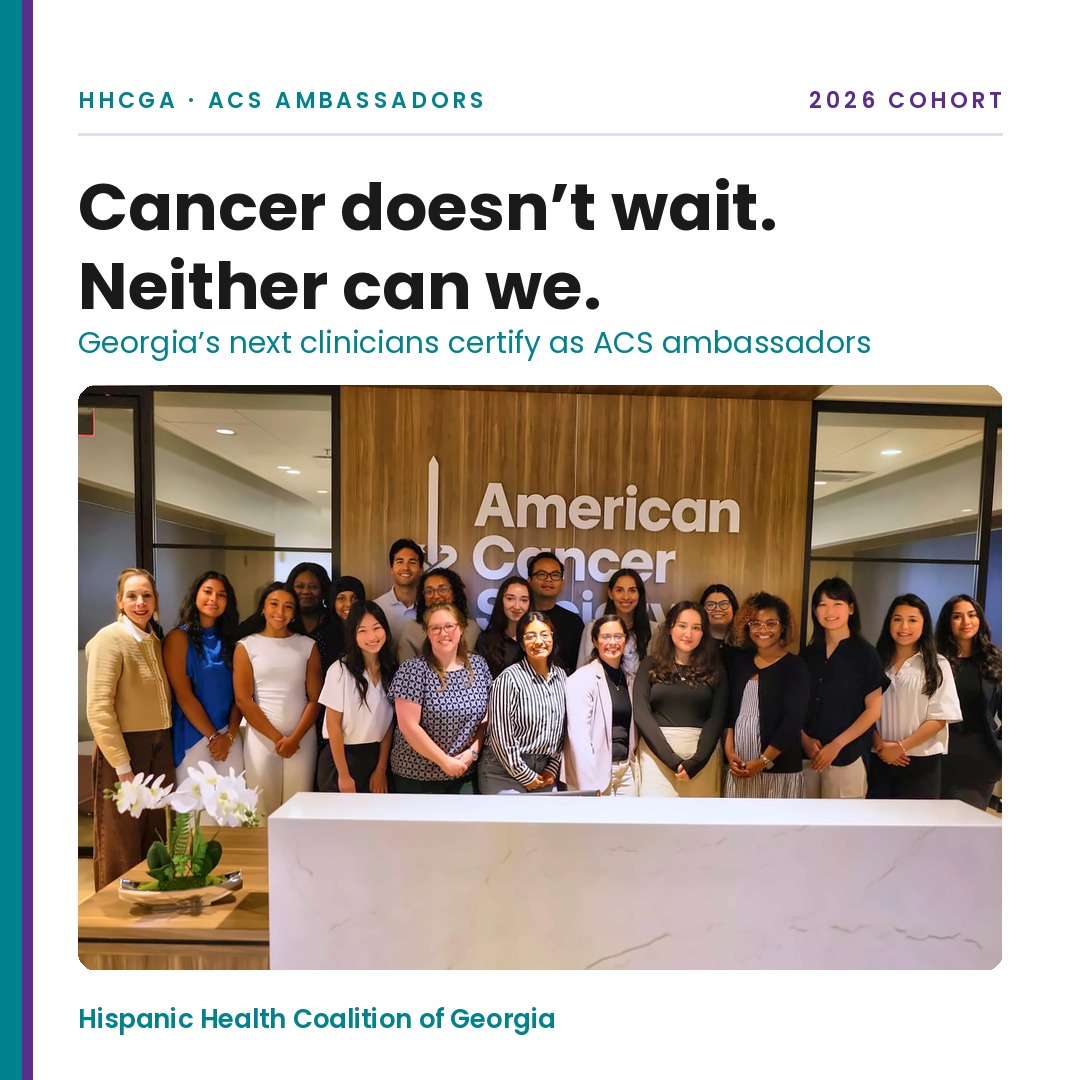
Future physicians, nurses, and public health leaders from six Georgia schools earned American Cancer Society ambassador certification with HHCGA in Atlanta on September 26.
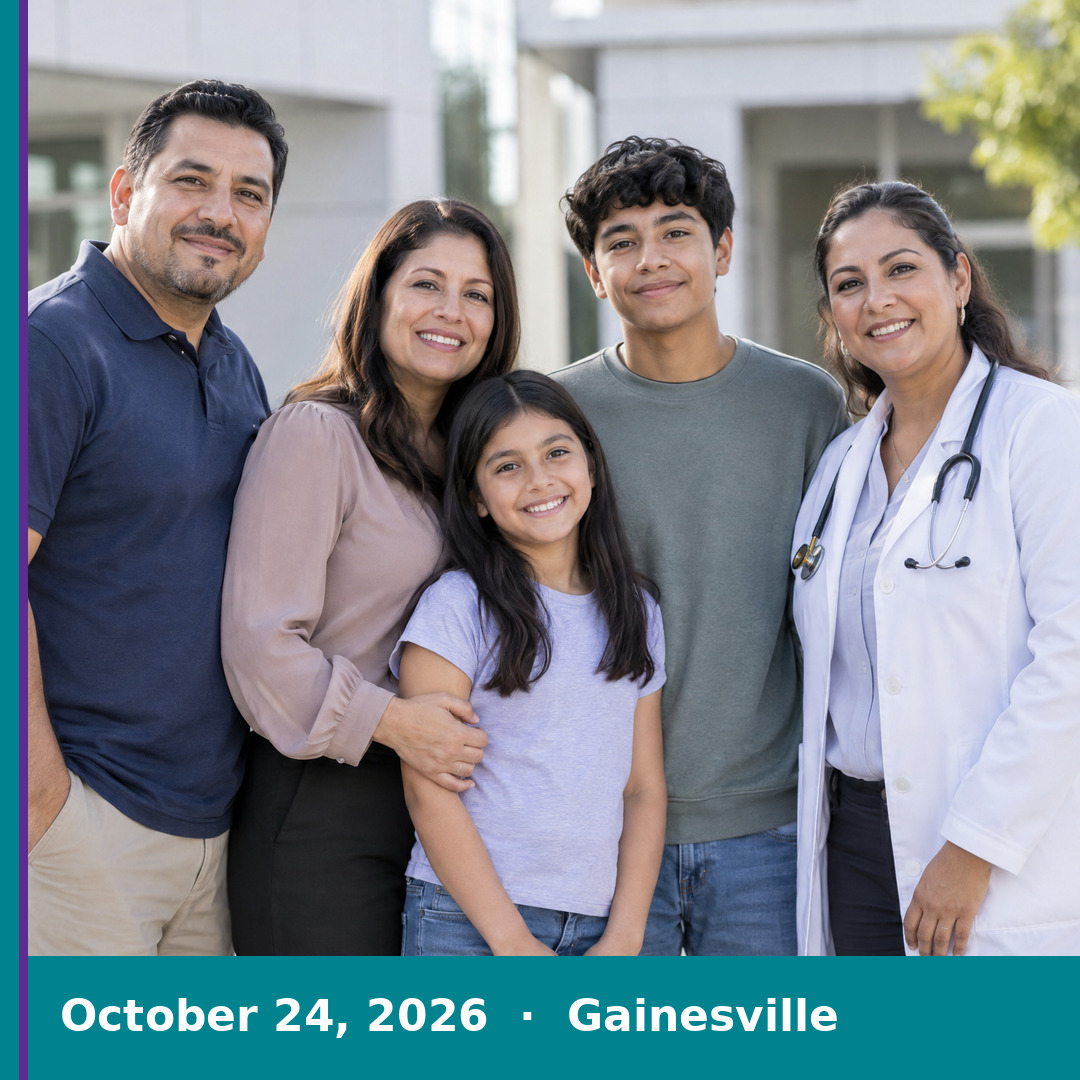
On October 24 in Gainesville, families can get the HPV vaccine, on-site screenings, and a screening referral with help to act on it. Everything is at no cost, and Spanish-speaking staff are there all four hours.
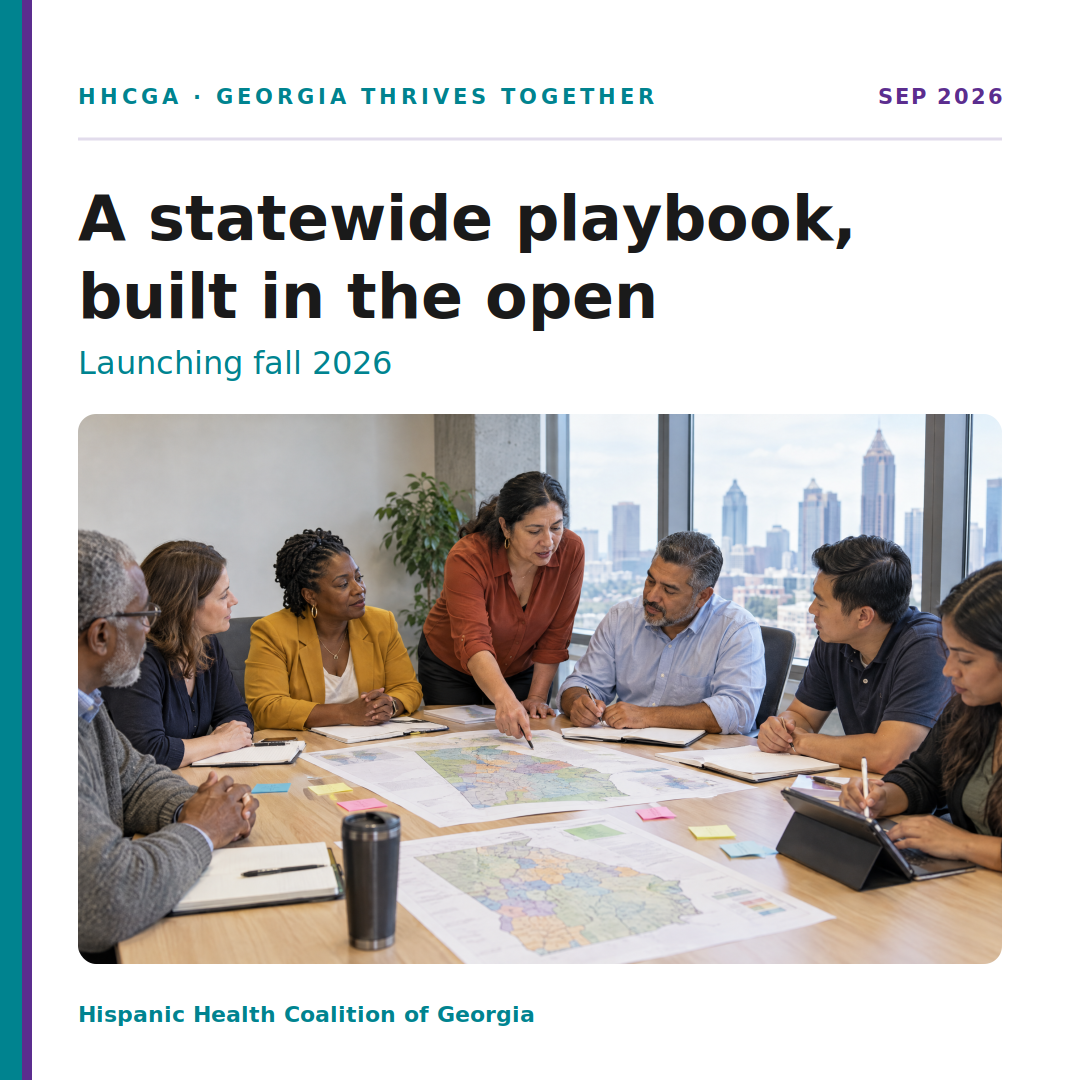
A statewide resource built by Georgia partners goes live this fall, and the working materials behind it are already online.

On July 20, 2026, the HPV Vaccination Roundtable of the Southeast published its first comprehensive member charter. HHCGA is named in the Georgia delegation, in a state that holds three of the regional body's leadership roles.




Loving-kindness grows when you share it. Daniela and Rafael guide this two-voice meditation in Spanish, widening goodwill from someone easy to love out to a difficult person, then back to you. Two voices make it a natural practice for families.
Most of us forget to include ourselves. This loving-kindness meditation, guided by Rafael in Spanish, has you place a hand on your heart and offer four phrases of care. Research ties the practice to more daily positive emotion and stronger personal resources.
When a day ends tight, a longer body scan gives the tension somewhere to go. Guided by Rafael in Spanish, this five-minute practice moves slowly through the body. Research in JAMA Internal Medicine links the practice to better sleep.
The simplest way into mindfulness is to feel your own body. This three-minute Vida Sana scan, guided by Rafael in Spanish, moves attention from your toes to your head, softens hidden tension, and gives a busy mind a clear path to follow.
A craving feels permanent until it passes. Urge surfing, guided by Daniela in Spanish, teaches you to ride the wave: breathe, locate the craving, watch it peak and fall, and stay smoke-free. Pair it with the Georgia Tobacco Quit Line for free coaching.
Stress builds quietly. This Vida Sana breathing space, guided by Daniela, gives you a portable, three-step pause you can use in under two minutes, between tasks or before a hard moment. Notice, gather, expand, and come back steadier.
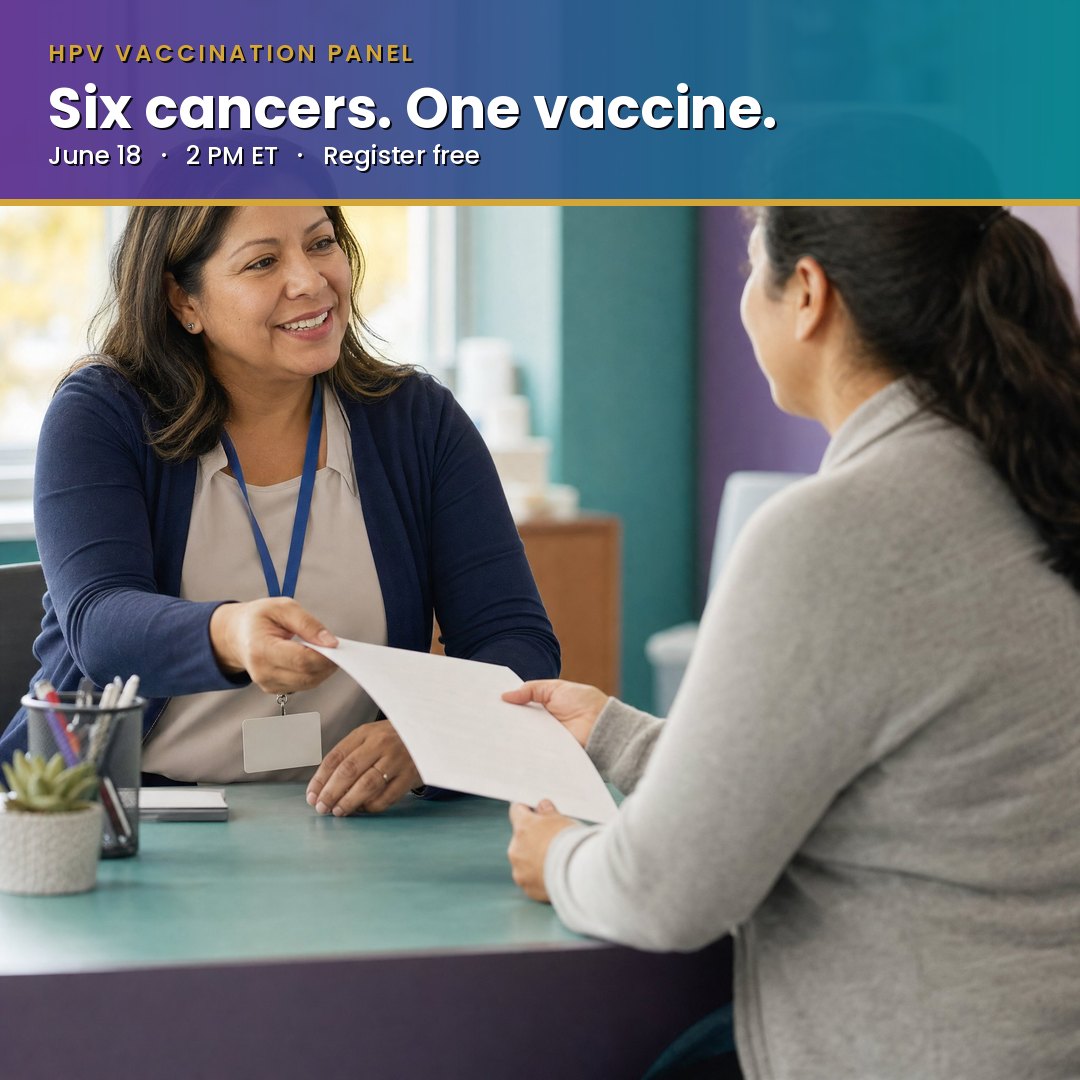
Six cancers, one vaccine, one national conversation. Shirley E Bella Borghi joins the panel on June 18.

The HPV vaccine prevents six cancers and is free for most kids who need it. The barrier in rural Georgia is distance, language, and knowing where to go. Here is how families reach it at no cost.

Missing the HPV vaccine as a kid does not close the door. Catch-up is recommended through age 26, and it still prevents six cancers. Here is the schedule, where to get it, and why now matters.

Almost every cervical cancer starts with HPV, which makes it one of the most preventable cancers there is. Here is the global 90-70-90 goal, where Georgia stands, and why November 17 now anchors the work.
The biggest lever a clinic has on HPV vaccination is how the clinician brings it up. A brief, presumptive announcement raised initiation 5% in a trial. Here is how Georgia clinics put it to work, starting at age 9.

The HPV vaccine can start at age 9, and starting early means just two doses. Here is why doctors recommend it then, what it costs, and the one question Georgia parents should ask at the next visit.

For Georgia's Latino families, whether a child gets the HPV vaccine often comes down to who is asking and in what language. Here is how trusted messengers, plain Spanish, and clear answers on cost move prevention forward.

HPV causes about 36,000 cancers a year in the US, and more than 90 percent are preventable. The Southeast carries the highest rates. Here is where Georgia stands, what its Latino families face, and the regional plan to close the gap.
HPV causes six cancers, and the 2026 Clinical Champions are the providers closing Georgia's vaccination gap one community at a time.
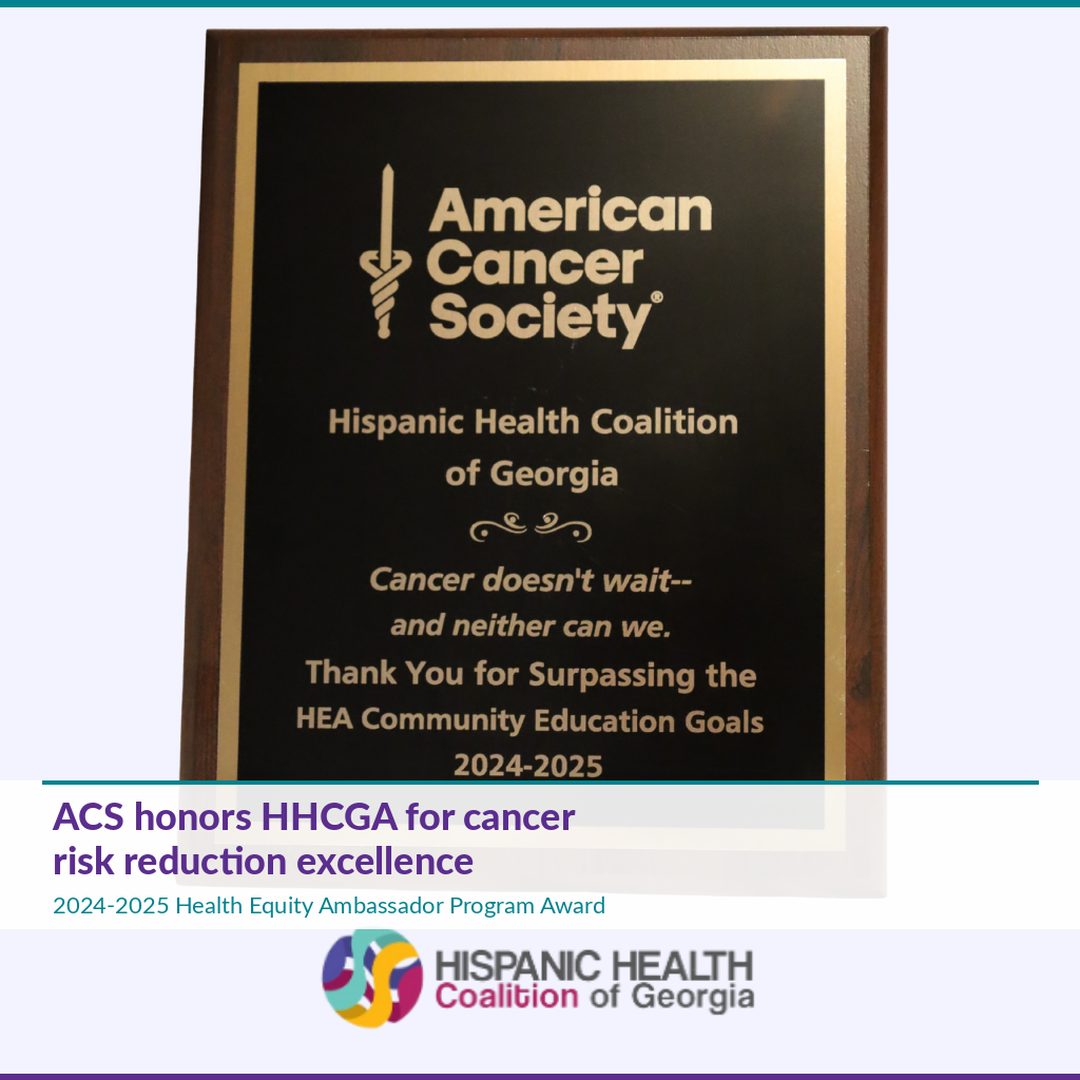
The American Cancer Society recognized HHCGA for going above and beyond in cancer risk reduction promotion across Georgia.

A new HHCGA video, developed in collaboration with Georgia State University’s Mindful Living Lab, walks you through two mindfulness techniques for managing cravings and quitting smoking.
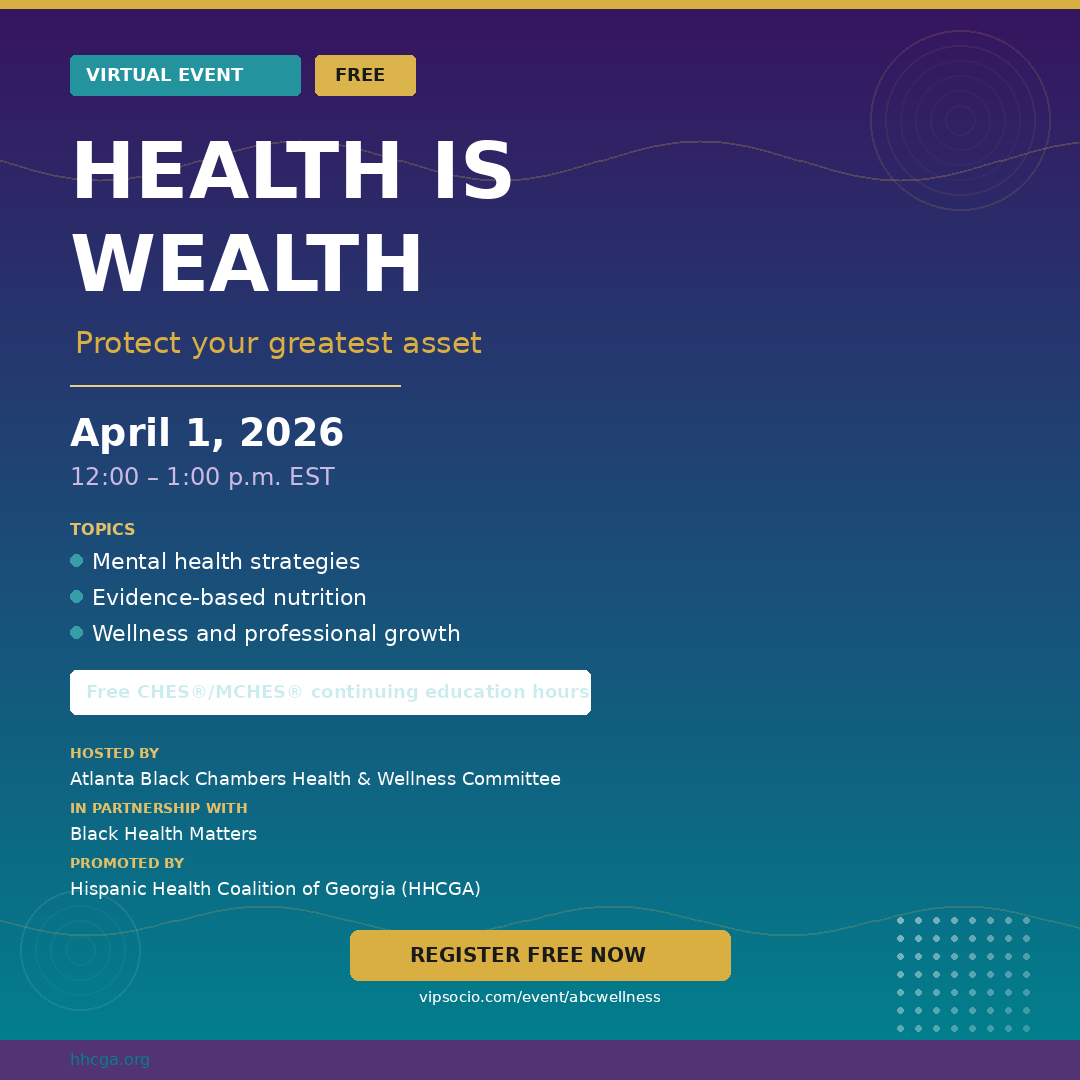
A free one-hour virtual session covering mental health, nutrition, and professional wellness - with continuing education credit for health educators.
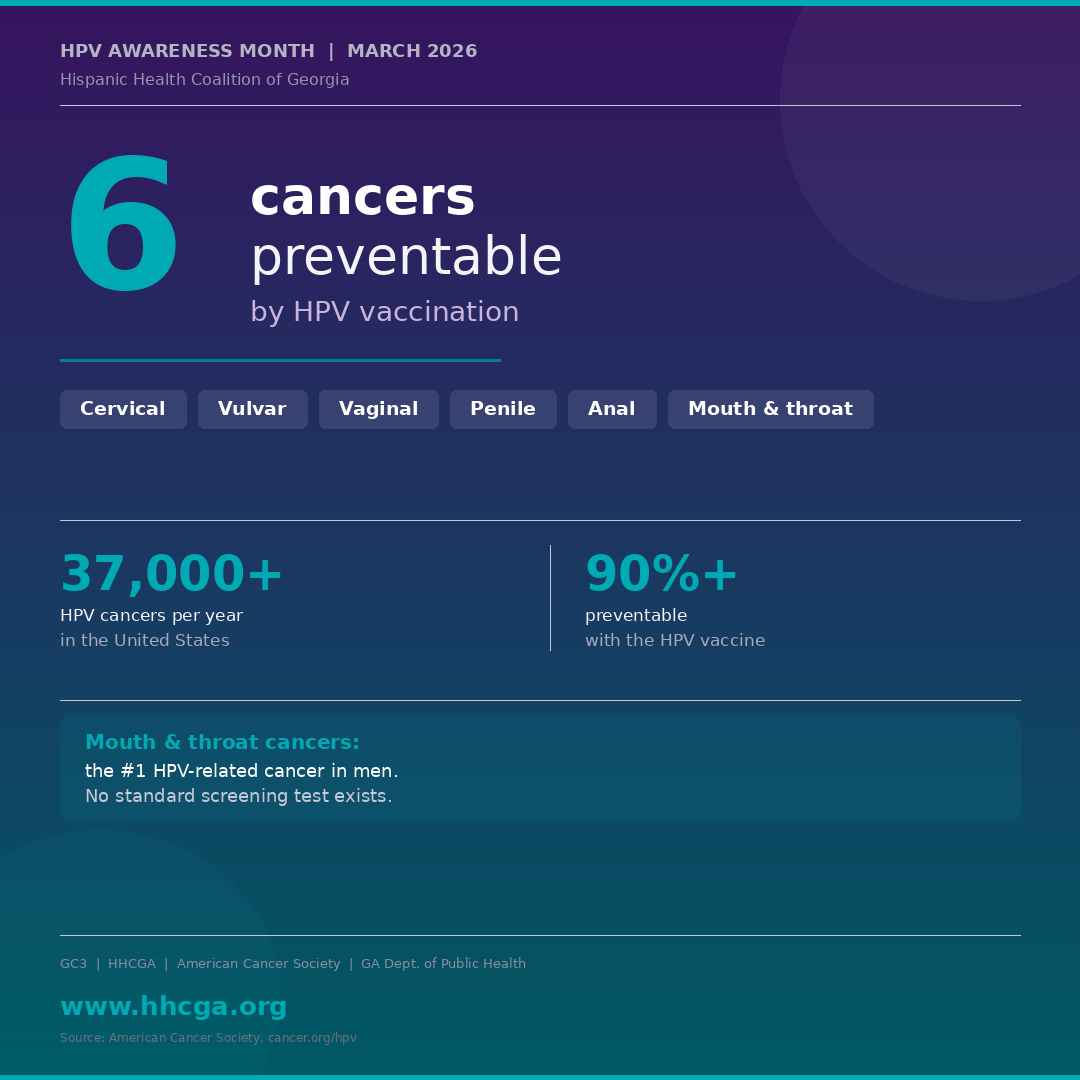
HPV vaccination can prevent six types of cancer — and most families in Georgia have not yet heard the full story.
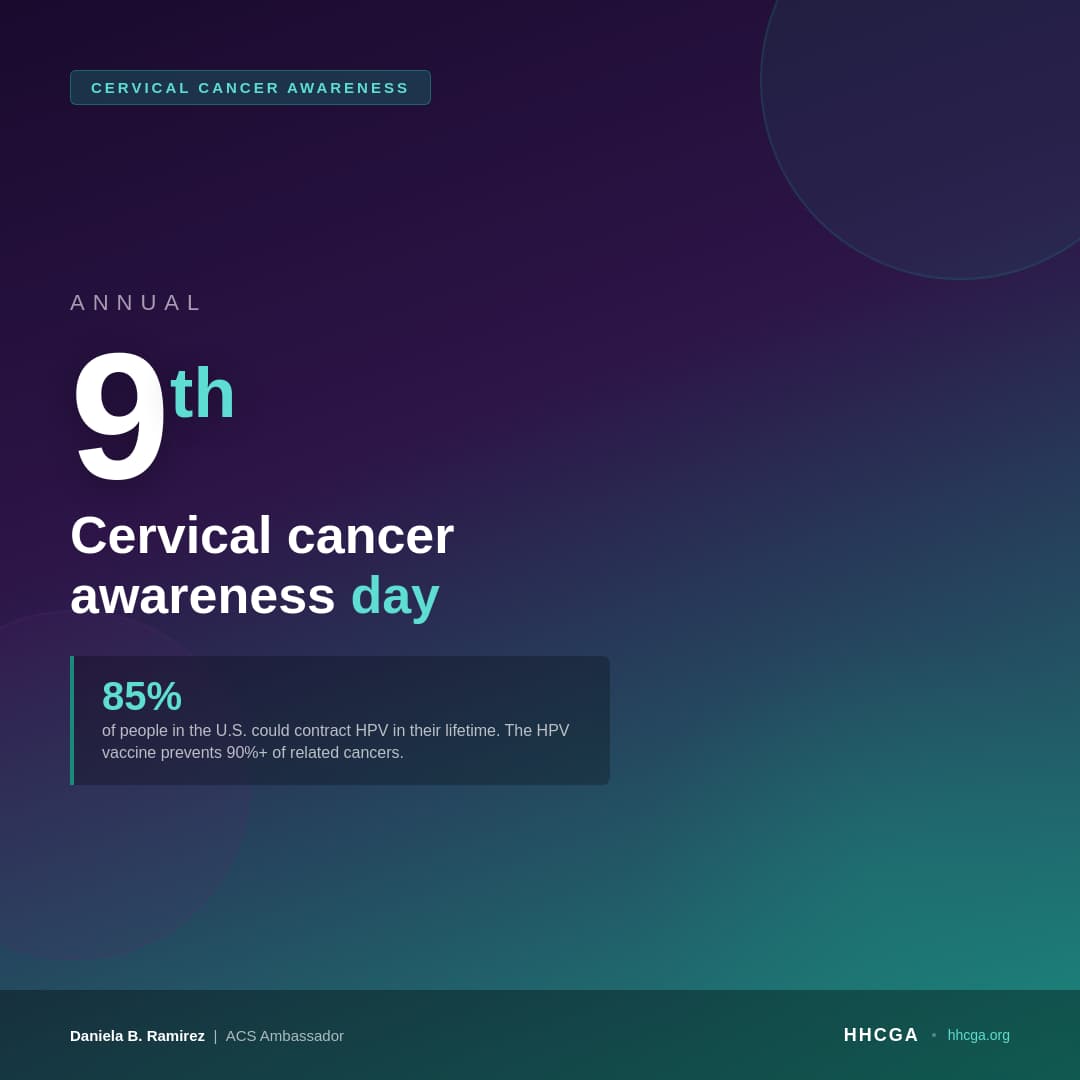
Cervical cancer is one of the most preventable cancers—here is what we learned at this year’s awareness event and why it matters for Georgia’s Latino families.

A new 40-page health guide from HHCGA puts symptom recognition, prevention strategies, and doctor-ready questions in the hands of Georgia's Hispanic families.
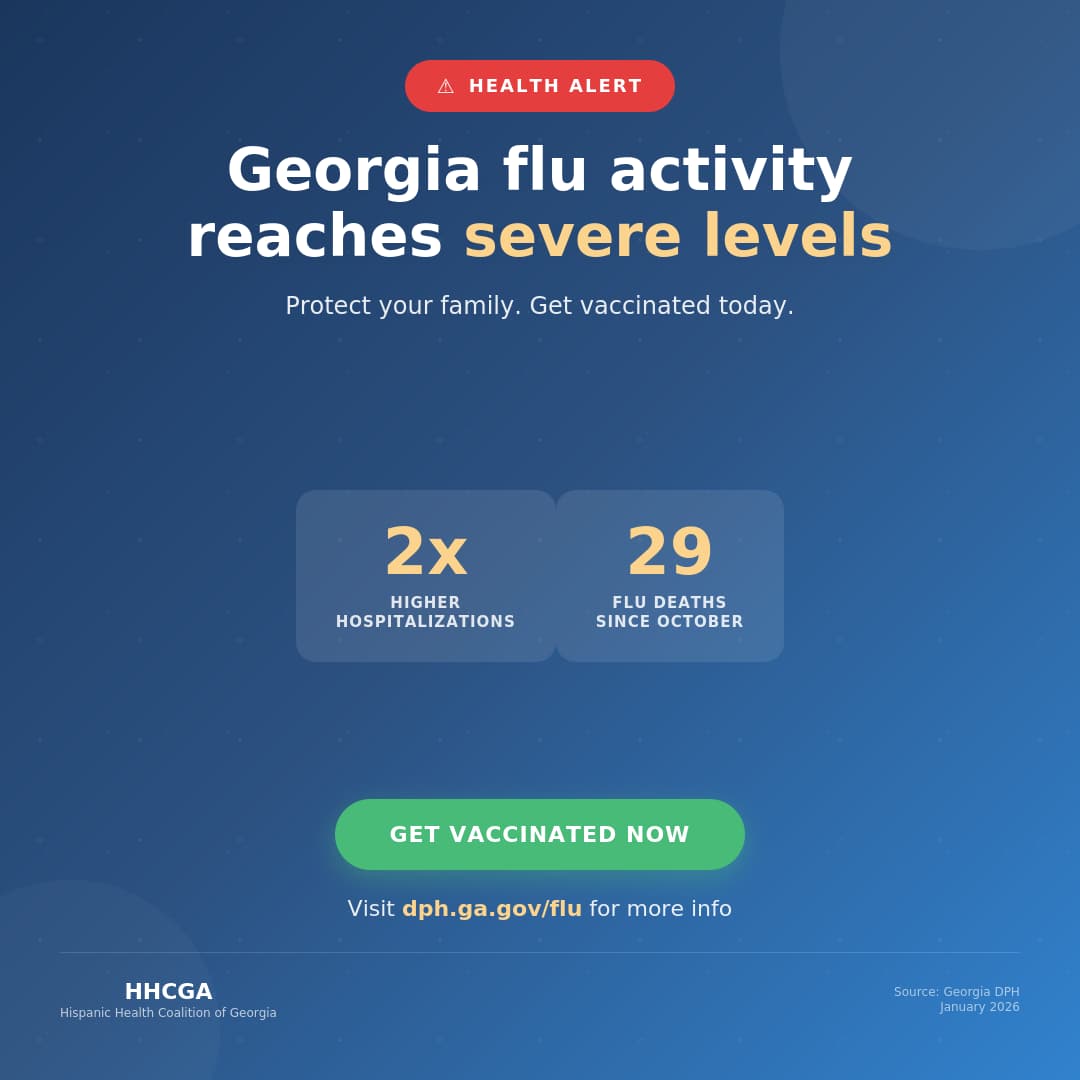
Flu activity across Georgia has reached severe levels, and health officials urge families to get vaccinated now.
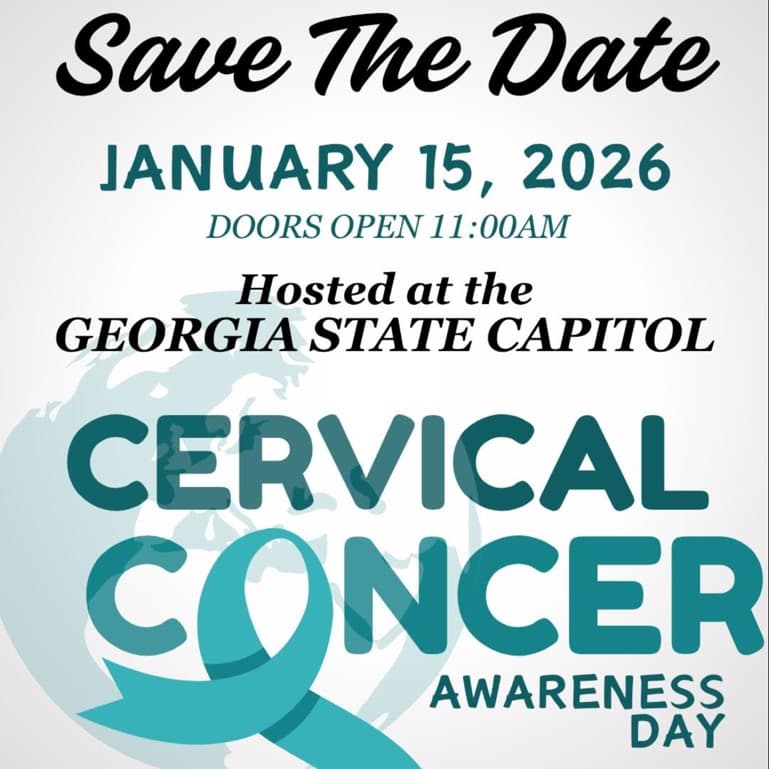
Healthcare professionals and community advocates gather at the Georgia State Capitol to advance cervical cancer prevention through education, advocacy, and collaboration.
Discover how HHCGA and its partners are using trusted messengers, data, and community-based programs to improve cancer and chronic disease outcomes for Hispanic families across Georgia.

HHCGA is partnering with Emory University’s Hope Clinic to address a critical gap in Long COVID research. The REVERSE LC study examines whether baricitinib can help with “brain fog.”
Georgia CEAL’s research on hyperlocal and community-engaged COVID-19 response, co-authored by HHCGA’s Shirley “Bella” Borghi, is now published in PCHP.

HHCGA’s Executive Director Shirley “Bella” Borghi co-authors HPV research accepted for the 2025 International Papillomavirus Conference in Bangkok.

Discover how HHCGA and Best Start for Baby & Mom are empowering Georgia families with resources for healthier beginnings.
Discover how the VISER Network connects data systems to strengthen vaccine programs and reach more families.
UNICEF and HHCGA are teaming up to strengthen diabetes screening, education, and access to care for Hispanic families across Georgia.

Make your voice heard at Grady’s Community Conversation in DeKalb on Sept. 24.

Registration closes Sept. 19 for the 3rd Long COVID International Conference — join experts shaping the future of Long COVID care and research.

Join us Sept. 26 in Macon for a free car seat safety check to keep your child safe on the road.

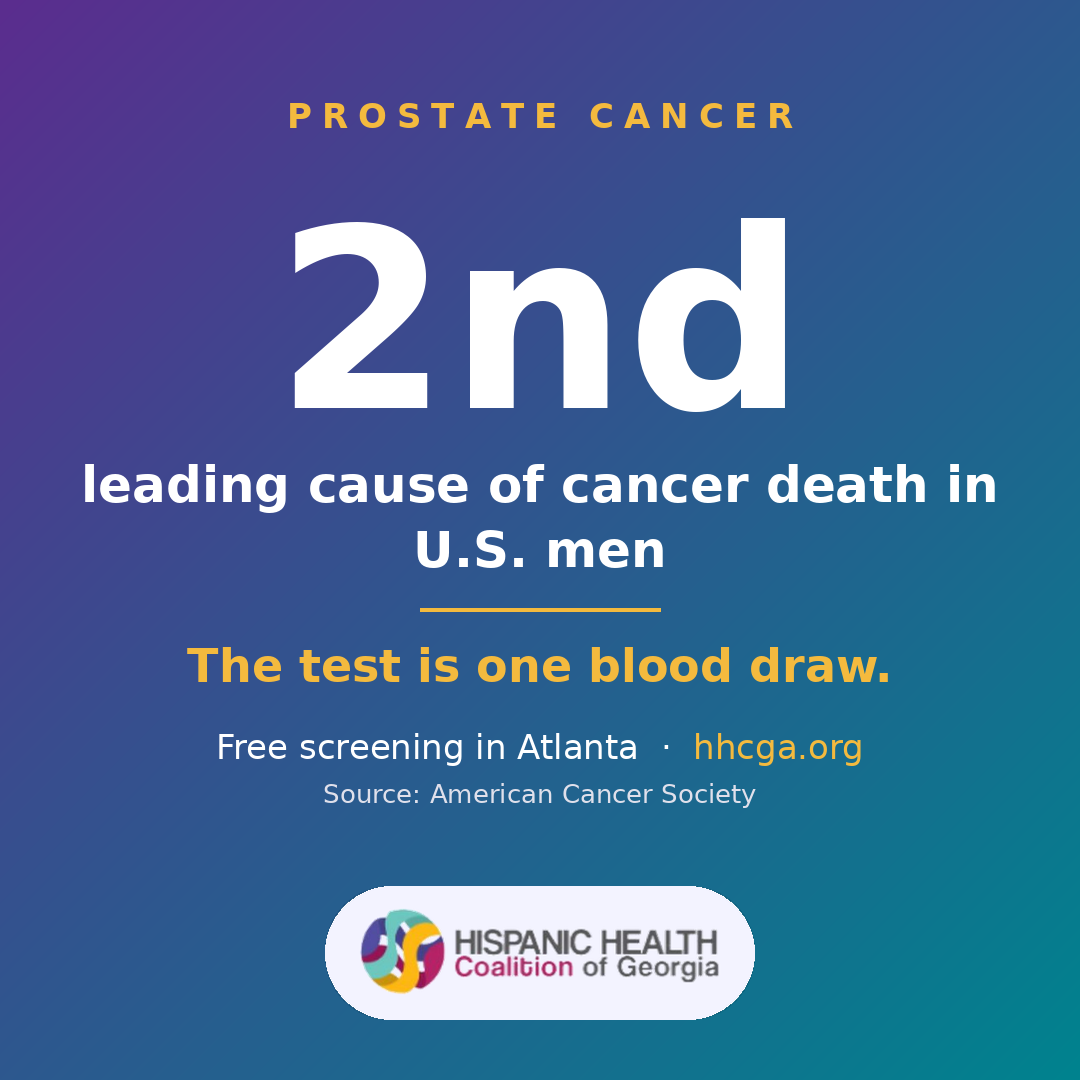
Ossie Williams elevated survivor voices and addressed health disparities at the 2025 Georgia Prostate Cancer Roundtable.
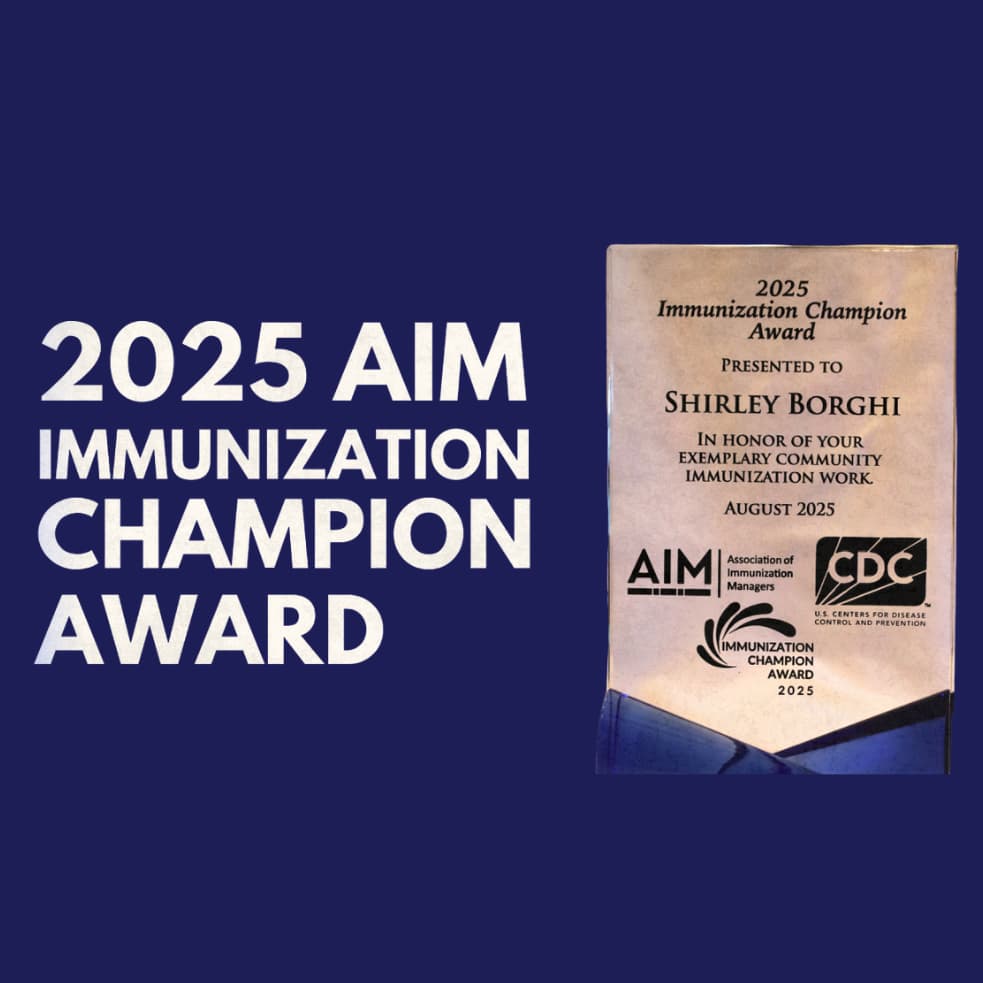
HHCGA’s Shirley E. “Bella” Borghi is recognized as Georgia’s 2025 AIM Immunization Champion for her leadership in vaccine access and outreach.
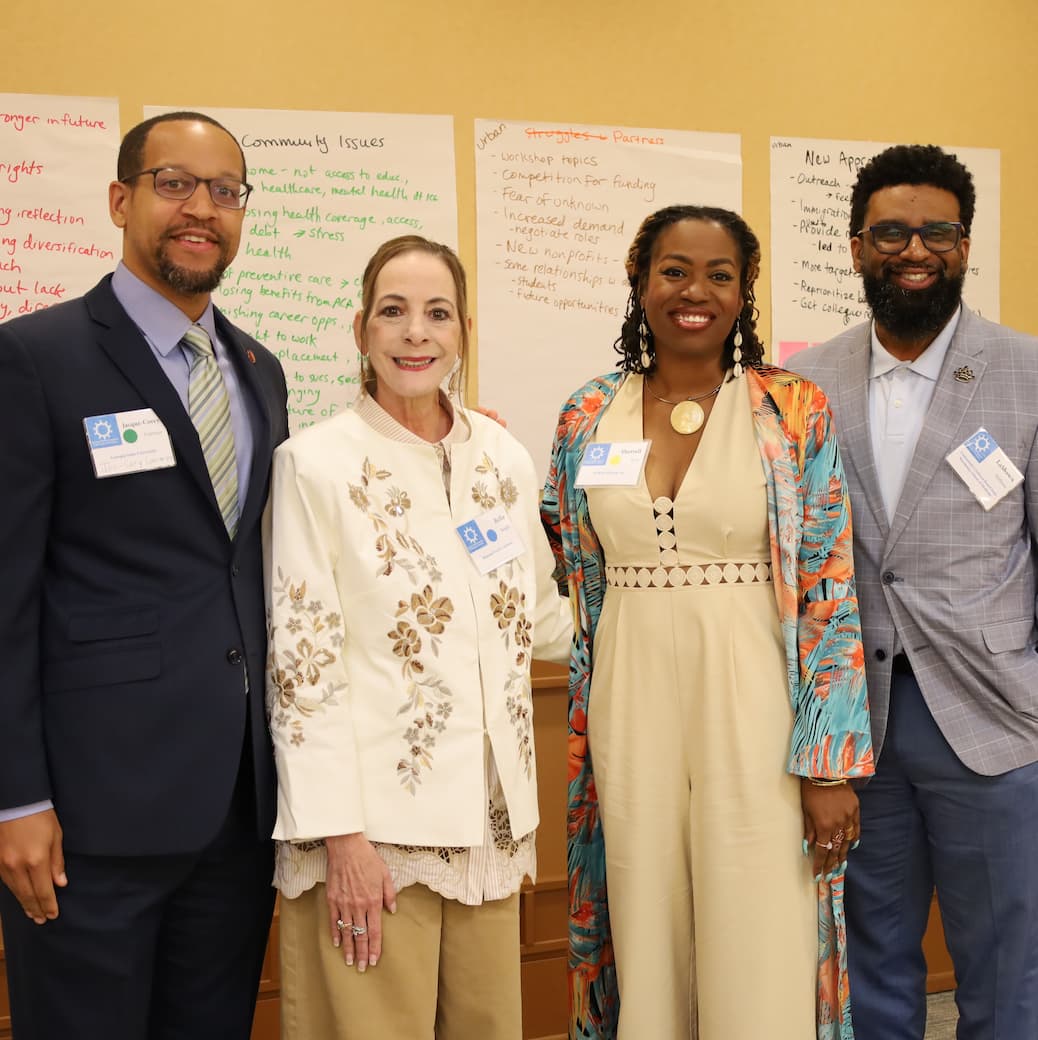
Reflections from the Georgia Thrives Together Community of Practice on centering community voice, resilience, and sustainable health initiatives.
Discover how Georgia CEAL’s community-led approach helped more than 65,000 residents get vaccinated during the COVID-19 pandemic.
HHCGA research highlights how policy, prevention, and mental health support can reduce type 2 diabetes in Georgia’s most vulnerable communities.
Clinicians and advocates unite to boost HPV vaccination rates in Georgia and prevent HPV-related cancers.
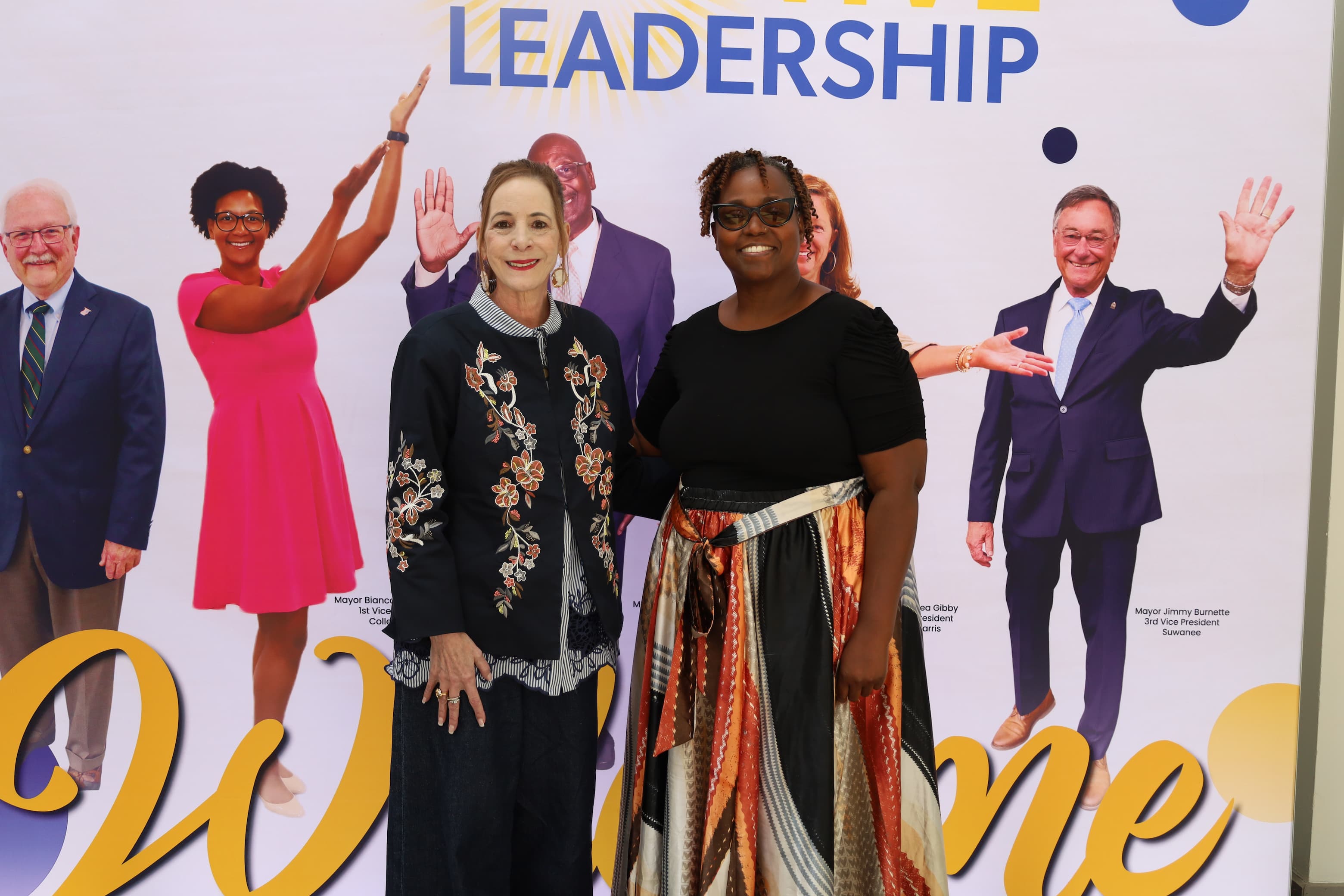
How local leaders and HHCGA are shaping Georgia’s public health future—starting with trust, mental health, and community health workers.
Discover how mental health is shaping diabetes outcomes—and what Georgia CEAL is doing to respond.
Explore how Georgia CEAL RESTORES is using community-driven research to fight diabetes and transform public health policy from the ground up.
Discover how Georgia CEAL RESTORES is empowering community leaders to drive policy and prevention strategies for better public health.

Discover how a simple talk about PSA screening could help young men detect aggressive prostate cancer before it’s too late.

Learnhow this multi-level intervention aims to stop diabetes before it starts inGeorgia communities.

Learn how local officials can turn proven research into real-world health gains forGeorgia communities.

Discoverhow Georgia CEAL research uncovers the hidden mental toll of living with type 2diabetes.

Discover how the CEAL Annual Meeting sparked fresh ideas and partnerships to advance community-focused health studies.

Four data-driven steps every Georgia family can take to keep kids safe this summer.

See how HHCGA’s newly ACS-certified team is bringing lifesaving cancer-screening knowledge to our communities.

Discover free health services, resources, and fun for the entire family at our Annual Hispanic Health Fair!

Learn how a groundbreaking initiative unites community-based organizations and top academic centers to reshape cancer prevention and control strategies.
.jpg)
Heart disease remains the leading cause of death in the U.S., but with the right knowledge and preventive care, you can protect yourself and your loved ones. Learn more about heart health with our expert-backed resources.

Georgia’s 8th Annual Cervical Cancer Awareness Day is making strides toward eliminating cervical cancer through education, advocacy, and groundbreaking developments.

Join Georgia’s 8th Annual Cervical Cancer Awareness Day - earn CE credits, gain expert insights, and advance your impact in cervical cancer prevention.

Georgia’s 8th Annual Cervical Cancer Awareness Day unites healthcare professionals, policymakers, and communities to promote education, advocacy, and collaboration in the fight against cervical cancer.

Exciting opportunity to impact Latino health and wellness as a Community Outreach Coordinator.

La Ronda Estatal de Cáncer de Próstata en Georgia aborda los esfuerzos para combatir el cáncer en las comunidades hispanas/latinas.

The first statewide Georgia Prostate Cancer Roundtable highlights efforts to address prostate cancer across Georgia.
.jpg)
HHCGA’s abstract on eliminating cervical cancer in Georgia to be presented at the 36th International Papillomavirus Conference in Edinburgh.

Descubre cómo la HHCGA y los consulados latinoamericanos en Atlanta están colaborando para brindar servicios de salud esenciales a las comunidades hispanas en los Estados Unidos.

HHCGA collaborates with Mora’s Life Saving Training to equip Promotores with essential CPR and AED certification for enhanced community safety.

HHCGA honored as the first Hispanic/Latino organization in Georgia to receive the Health Advancement Ambassador certification from the American Cancer Society.

Emory University and HHCGA collaborate on an impactful study addressing diabetes prevalence in Georgia's Hispanic/Latino population.

Discover how academic and community partnerships like the one between Moorehouse School of Medicine and CEAL are shaping the future of public health and community engagement.

Amidst the rain, the spirit of commitment shone through as over 300 health workers gathered in Atlanta, determined to drive change and uplift communities through dedicated CHW/Promotores work.

Explore the highlights and pivotal moments from Georgia’s 7th Annual Cervical Cancer Awareness Day — a day dedicated to celebrating progress, recognizing heroes, and strengthening the fight against HPV-related cancers.

Discover how Direct Relief’s Health Access Fund is revolutionizing healthcare across the U.S., featuring groundbreaking collaborations and innovative strategies from leading health organizations.

Join us in celebrating the remarkable work of Rollins graduate students, whose dedication and engagement with HHCGA are driving meaningful health initiatives within our community.

Daniela Ramírez reflexiona sobre la mezcla de culturas y experiencias variadas en la Reunión Anual de la APHA 2023, destacando el alcance comunitario y la resiliencia de HHCGA ante una pandemia global.

Daniela Ramirez reflects on the blend of various cultures and experiences at the APHA 2023 Annual Meeting highlighting HHCGA's community outreach and resilience in the face of a global pandemic.

HHCGA se destaca en la vanguardia del compromisocomunitario en salud, marcando un hito reconocido a nivel nacional por suefectividad en mejorar el acceso a la salud.

Unveiling the success story of HHCGA: A beacon of hope in community health engagement, recognized nationally for their impactful work in advancing community health.

Dive into the 2023 APHA Annual Meeting where over 12,000 health professionals gathered to push the boundaries of public health, driven by the leadership of the Georgia CEAL team and HHCGA's commitment to improving healthcare access.

If your family doesn’t have medical coverage or is on the brink of losing it, now is the time to act. Don't wait! Apply right away at GeorgiaPCA.org and ensure your child's health and well-being.
La PCA de Georgia ha tomado las riendas para asegurarse de que las familias con niños y adolescentes elegibles estén informadas sobre el salvavidas que es el seguro de salud.
.png)
HHCGA’s Clarkston Health Awareness Day champions multilingual healthcare access. Discover a new era of welcoming healthcare, community unity, and empowerment.
.png)
Uncover a unique blend of lively cultural festivities and essential health resources tailored for our community. From tantalizing traditional cuisines and captivating performances to invaluable health screenings and advice, there's something for everyone.

Learn how UGA Pharmacy Students and HHCGA are joining forces to make a real difference in the health of underserved Hispanic communities.

Uncover the transformative work of Georgia CEAL and its partners in combating COVID-19 disparities, as recognized in PCAST's report, and discover how community-engaged practices are shaping the future of community health improvement.

Dive into the highlights of the CMS Quality Conference 2023, where healthcare experts unite to champion community resilience and improved access to care.

Uncover how Georgia CEAL and HHCGA are addressing long-standing gaps in healthcare and enhancing vaccination rates through community-driven initiatives at CMS Quality Conference 2023.

Discover how the Georgia Cancer Control Consortium's HPV Cancer Free Workgroup is making strides in the fight against HPV-related diseases at the IPVC 2023 Conference.
%20Plaza%20las%20Americas%2004.16_2.jpg)
Discover how the NFL Alumni GA and HHCGA are teaming up for an empowering health fair event – Learn how you can join the fun and improve your health at the same time!

St. Jude's Rural HPV Vaccination Think Tank Committee 2023 aims to boost vaccination rates and prevent cancer, with expert Shirley E. Borghi and the St. Jude Cancer Prevention Program.

Explore the wealth of mental health resources, services, and support tailored to the unique needs of Hispanic Latino special needs families. Learn how you can get involved and make a difference in our community.

Get the latest information on the partnership between the HHCGA and Emory University and their efforts to improve health outcomes for the Hispanic/Latino community in northeast Georgia.


